FIVE DECADES OF ADRENALINE
“Motorsport photography was, by nature, my occupation — it ran in my blood and was my life”
The archive
The Joe Honda Archive documents a defining era of international motorsport through rare analogue photography, preserving visual histories that would otherwise remain inaccessible.
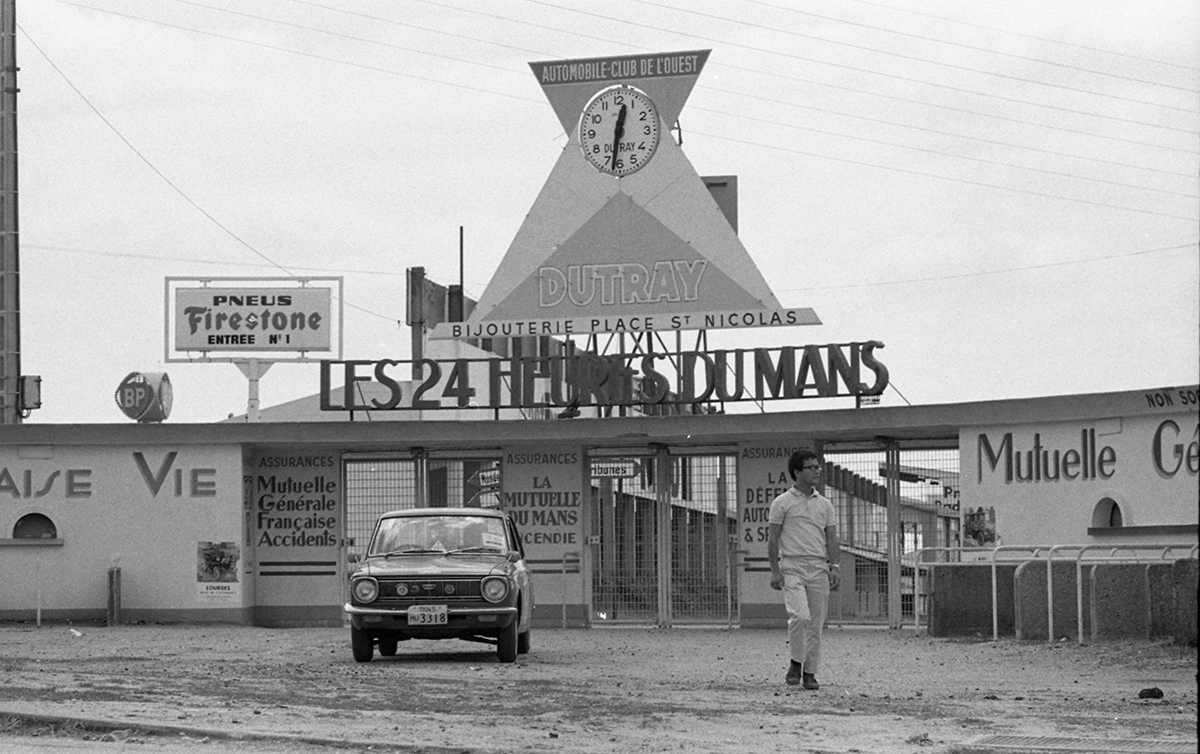
Spanning more than 300,000 35mm film photographs captured over nearly five decades, the archive encompasses Formula One, the Paris-Dakar Rally, motocross, NASCAR, IndyCar, and other international racing series.
Seen through Joe Honda’s perspective as a Japanese photojournalist working internationally during a period of rapid post-war transformation, the archive also reflects the broader cultural and historical context of motorsport’s global development.
The archive is dedicated to the conservation, cataloguing, and exhibition of Joe Honda’s work, ensuring the long-term preservation of his photographic legacy.
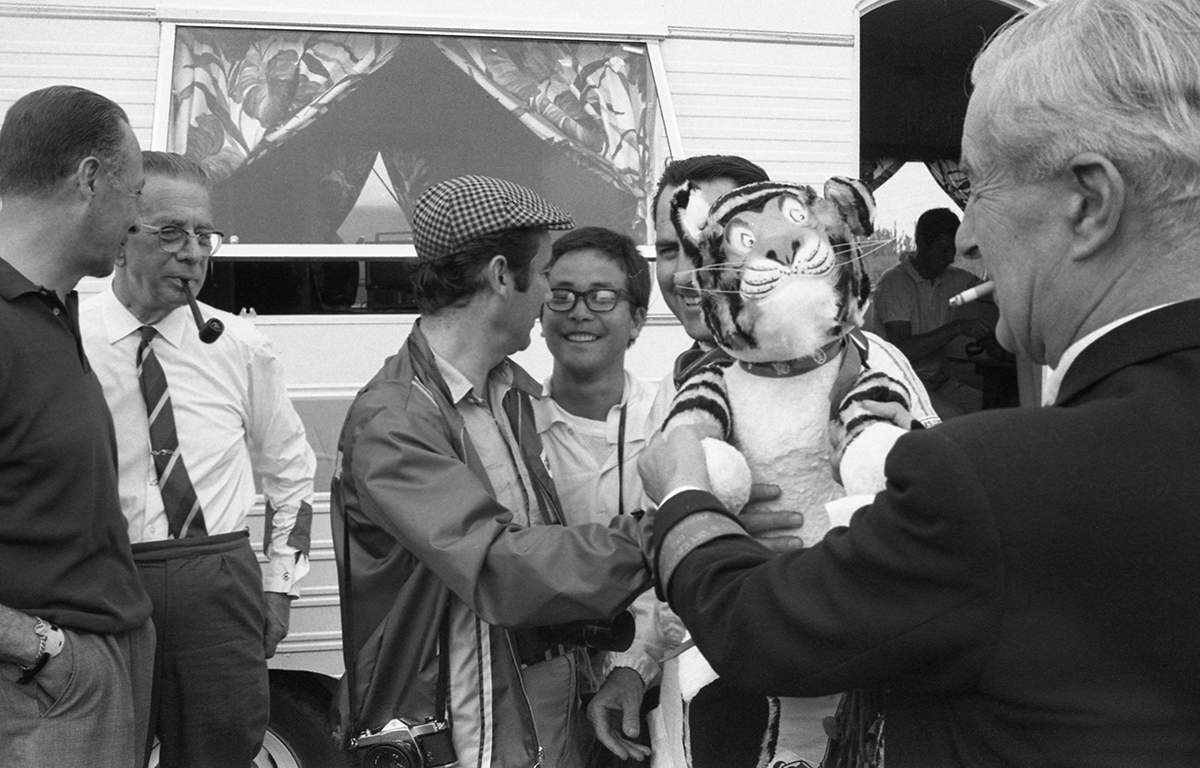
It serves as both a research resource and a curatorial project, revealing the people, machines, and atmosphere that shaped motorsport’s international history.
Joe Honda
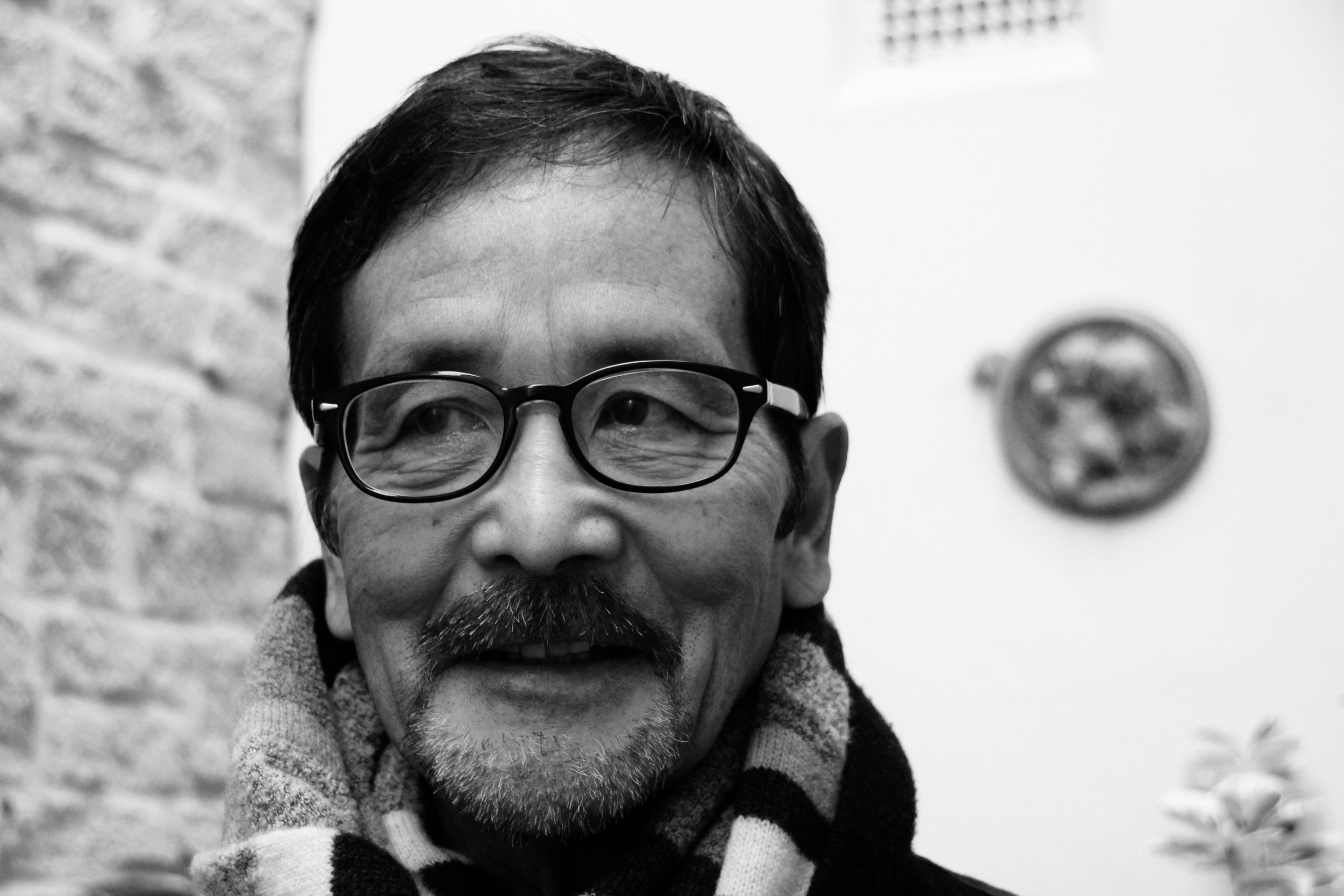
Joe Honda is regarded as a pioneering figure of motorsport photojournalism in Japan.
Born in Tokyo in 1939, he studied photography at Nihon University’s Department of Fine Arts and trained briefly under Yuji Hayata, a studio photographer to many of the Showa era’s leading stars, before pursuing a freelance career.
In March 1967, with just $500, two cameras, and only a few words of English, Honda travelled from Japan to Europe on a journey that would define the course of his life’s work. After shipping his Toyota Corolla ahead of him — which he later drove across Europe — he boarded a Soviet sea liner and never looked back.
The move marked the beginning of an international career that would span five decades, covering Formula One, the Paris-Dakar Rally, motocross, NASCAR, and IndyCar. In 1968, he became the first Asian representative of the International Racing Press Association (IRPA). Honda documented some of the most significant drivers in motorsport history, including Sir Jackie Stewart, Jim Clark, Graham Hill, Niki Lauda, James Hunt, Ayrton Senna, Alain Prost, and Michael Schumacher.
His work has been exhibited in leading photographic salons in Tokyo, including Nikon and Canon galleries, and published widely in magazines and photographic monographs. Alongside his photographic practice, he wrote extensively on the motorsport industry and collaborated with organisations and brands including BMW, Mitsubishi Motors, Kanebo, Shell, Hugo Boss, Asahi Shimbun, and Air France, extending his practice across editorial, commercial, and cultural contexts.
His practice reflects influences from sculpture, graphic design, French impressionism, and documentary photography, shaping a distinctive visual language that bridged Japanese and European photographic traditions.
Rediscovery
The archive began to take shape in 2016, when Joe Honda’s daughter, Emiko Jozuka, began revisiting his extensive body of work.
As she worked through hundreds of thousands of negatives, slides, and transparencies, the scale, depth and historical resonance of Honda’s career became increasingly apparent — revealing not only a remarkable professional archive, but also another side to a father: a deeply personal record of dedication, experimentation and endurance.
The Joe Honda Archive was founded to preserve, structure, and recontextualise this enduring legacy, giving new meaning to the work for future generations.
— Emiko Jozuka, Joe Honda’s daughter and Founder of the Joe Honda Archive
“Joe Honda is a renowned professional in his field, who has been passionately pursuing a photographic career, spanning a period of over 45 years. His experience and strong character have had a perpetual influence on his work, serving to make it grow and develop to high standards over the years. His photographic works convey a unique talent and continue to be highly respected worldwide. ”
“Joe Honda captured not only the drama of the races, but their beauty. His images are poetic visual representations of action, sadness as well as self-reflection.”